How to Choose the Right Quad Bike for Your Dubai Desert Ride
Choosing a quad bike in Dubai is less about picking the first available machine and more about matching the ride to your experience, the terrain, and the rules of the area. A quad bike can feel straightforward from a distance, but power, size, steering response, and safety setup all shape how comfortable the ride will be. A careful choice before booking helps avoid a day that feels too fast, too slow, or poorly matched to the route.
Start with the rider, not the bike. If the rider is new to quad biking, a smaller engine and a predictable machine matter more than raw speed. New riders often need time to get used to weight transfer, turning posture, and braking on sand. A bike with gentle throttle response gives more room to learn without feeling tense. Experienced riders may want more power, but even then, the terrain should guide the decision. Open dunes ask for control and patience, while firmer desert tracks can suit a livelier bike.
Set the purpose of the ride first
Before comparing options, decide what kind of outing is wanted. A short desert ride, a longer route, a family outing, and a photography stop all call for different choices. If the day is mainly about scenery, comfort and stability matter more than acceleration. If the plan is a more active ride, handling and rider fit become more important.
It also helps to be honest about the group. Mixed ability groups often work best when the pace is set by the least experienced rider. A fast bike in the hands of someone who is unsure can make the whole group cautious. A moderate bike with predictable behavior usually makes the ride smoother for everyone.
Check rider requirements and route rules
Rules can vary by location and by the type of route being used. Some desert areas have designated paths, speed expectations, and protected zones. A responsible rental provider should be clear about where riding is permitted and what riders are expected to do. Ask how the route is selected, whether there are guided sections, and what happens if conditions change.
Age requirements, licence expectations, and supervision rules should also be checked in advance. These details are not minor formalities. They affect who can ride, which bikes are suitable, and whether the day can run as planned. If a rule sounds unclear, ask for it to be explained in plain language before committing.
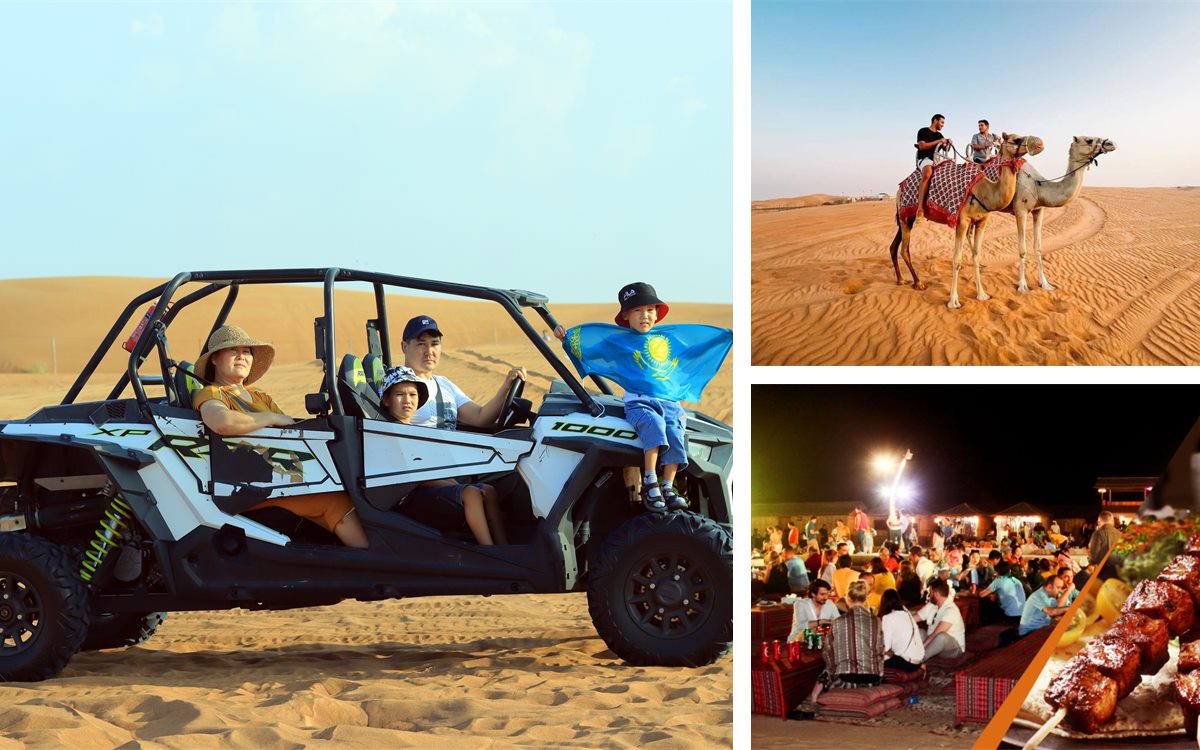
When comparing a provider such as AL Jazeera Tours, keep the focus on clarity. The name alone should not replace practical questions about fit, route, safety equipment, and terms. A clear answer is more useful than a vague promise.
Match engine size to experience
Engine size is one of the easiest specifications to compare, but it should not be the only factor. A larger engine can carry speed more easily and may feel steadier over rough ground, yet it can also react faster when the throttle is pressed. For a first ride, that extra response can be tiring. For a confident rider, an underpowered bike can feel frustrating on long stretches.
Think in terms of control rather than status. A good match lets the rider sit comfortably, steer without effort, and stop in a straight line. If the rider has to fight the bike, the ride stops being fun. Ask what experience level each bike suits, then choose the lower option if there is doubt. Progression is easier than trying to recover from a choice that feels overwhelming.
Look closely at fit and comfort
Body position matters on a quad bike. The rider should be able to reach the handlebars without stretching, place both feet securely, and shift weight naturally when turning. A bike that is too large can feel awkward at low speed. One that is too small can feel cramped during a longer ride.
Seat height, handlebar position, footrest shape, and overall width all affect comfort. Riders with less leg strength may prefer a machine that feels manageable when dismounting or steady when stopping. Taller riders may need more room to move. If possible, ask about sizing before the day and raise any concern about height, balance, or previous injury.
Clothing also affects the choice of ride. Loose scarves, dangling straps, and open footwear are poor choices around any off road vehicle. Closed shoes, sensible layers, and sun protection make a practical difference in the desert. Dust can be part of the experience, so eye protection is worth considering.
Ask what safety equipment is provided
A helmet is the basic starting point, but it needs to fit properly. A helmet that slides around or sits too low can distract the rider throughout the ride. Ask whether helmets are available in different sizes and whether they can be adjusted. If a rider wears glasses or wants a face covering for dust, check that everything can be worn without interfering with the helmet.
Gloves, goggles, and protective clothing may be useful depending on the route and conditions. The goal is not to look geared up for its own sake. The goal is to reduce avoidable discomfort from dust, branches, sun, and vibration. Short sleeves may feel fine in warm weather but can leave skin exposed to scrapes and sun.
Also ask how safety briefings are handled. A rider needs to know the hand signals, stopping procedure, and what to do if the group separates. These details should be covered before departure, not halfway through a route.
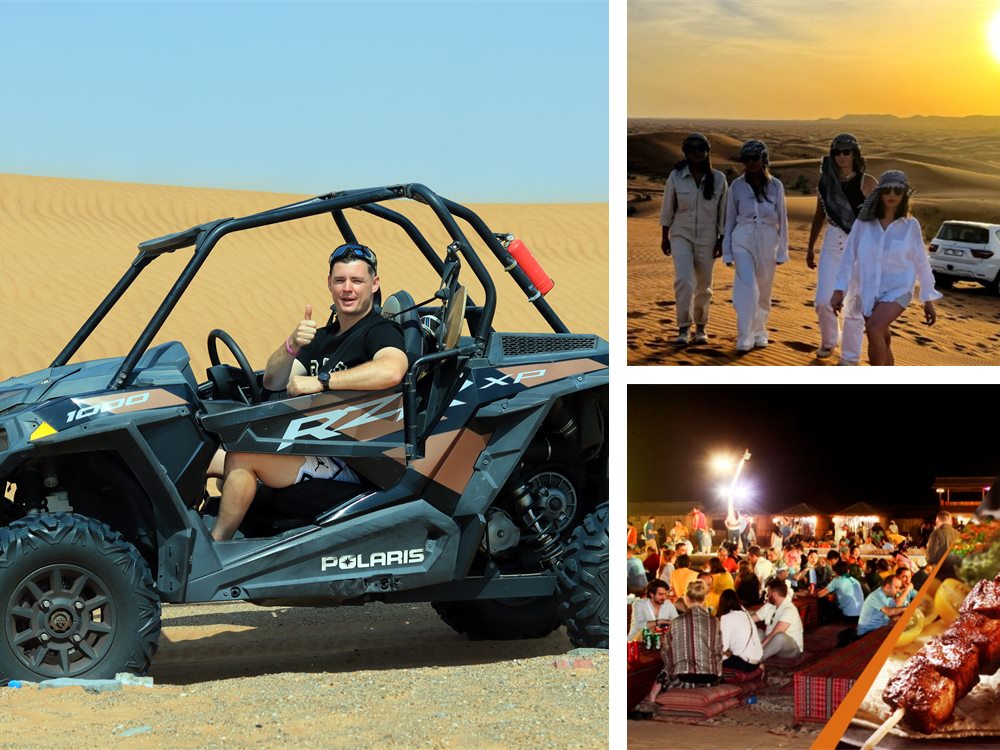
Understand the condition of the machine
A quad bike should be checked regularly and maintained by people qualified to do that work. Riders should not attempt mechanical repairs, especially with brakes, steering, fuel systems, or electrical parts. If something feels wrong during a ride, the sensible response is to stop in a safe place and tell the guide or provider.
Before accepting a bike, a simple visual check can still be useful. Look for obvious damage, loose parts, worn tires, and anything that seems out of place. Check that the handlebars feel secure and that the bike looks level. These observations do not replace professional maintenance, but they can prompt a question before the ride begins.
Listen for unusual noises once the bike is being used under normal riding conditions. Grinding, sharp rattling, or a sudden change in steering feel should not be ignored. Heat, dust, and rough ground can make a bike noisy, so compare the sound with how it felt at the start. If the change is clear, stop and report it.
Compare route style and guidance
The route shapes the experience as much as the bike. Flat desert tracks can be relaxing and suitable for newer riders. Dune routes add crests, slopes, and softer sand, which require more body control. A route with tight turns or mixed terrain can be tiring if the group is large or the pace is inconsistent.
Ask whether the ride follows a set path and how the guide manages the group. Clear leadership matters in open terrain. Riders need to know where to go, when to slow, and how to stay within sight of the group. If the route includes stops, check that they are placed in safe areas away from fast moving vehicles.
For visitors comparing names, AL Jazeera Tours quad bike rental dubai is one phrase that may appear during research, but the decision should still rest on practical details. Look at the ride format, rider requirements, safety setup, and how questions are answered. Those points reveal more than a broad description.
Read the terms before booking
Rental terms deserve the same attention as the bike itself. Check what is included, what is extra, and what conditions apply if plans change. Look for clear information about timing, route limits, deposits, damage responsibility, and cancellation. A short phrase that sounds simple may hide an important condition, so read slowly.
Ask what happens if weather or local rules affect the ride. Desert conditions can change, and a flexible approach is safer than pushing ahead regardless. A provider that explains its terms clearly makes it easier to choose with confidence.
It is also wise to check whether photos or videos are taken during the ride and how they are handled. Some riders welcome them, while others would rather keep the outing private. This is a small point, but it can shape the experience.
Make the final choice with a calm test of priorities
By this stage, the choice should be narrower. Put the essentials in order: rider experience, fit, safety equipment, route style, and clear terms. A bike that scores well on those points is usually a better choice than one with impressive power but unclear conditions.
If two options seem similar, choose the one that feels easier to understand. Clear communication about the ride often signals a more organized experience. Avoid rushing the decision just because the day is packed. A few extra questions before booking can prevent confusion later.
The right quad bike rental in Dubai should feel matched to the rider, not chosen for show. When the machine, route, and safety setup work together, the ride is more relaxed and the desert is easier to enjoy. Take the time to compare carefully, and pick the option that leaves no major question unanswered before departure.